Who Should You Invite to a Gender Reveal Party? A Simple Guest List Guide
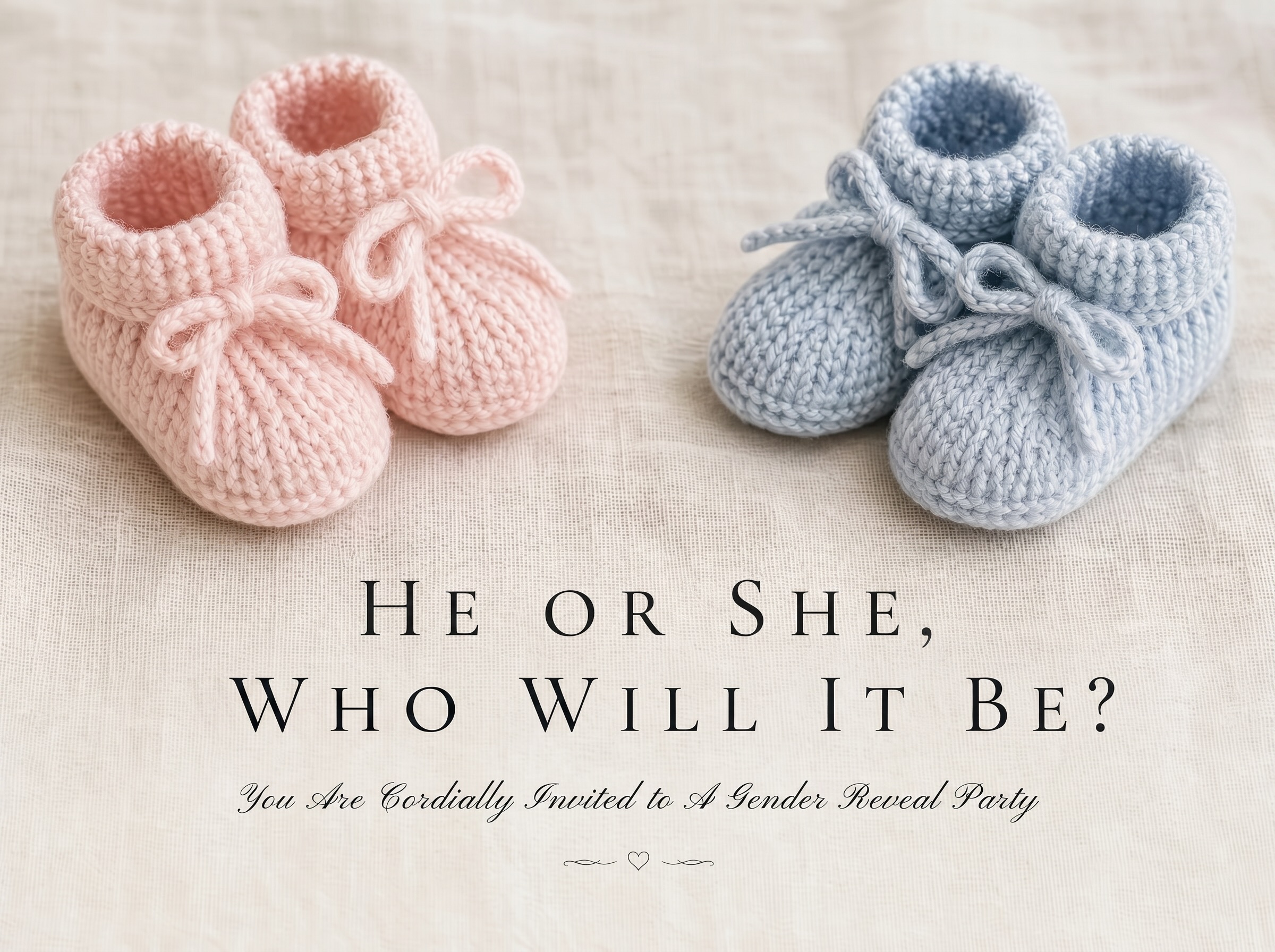
A gender reveal party can be as small as a dinner with grandparents or as large as a backyard celebration with friends, relatives, children, and coworkers. There is no official rule about who must be invited. The right guest list depends on the kind of moment the parents-to-be want to create.
Some couples want to share the surprise with only the people closest to them. Others see the gender reveal as an opportunity to bring their wider community together before the baby arrives. Neither approach is more appropriate than the other.
The best place to start is not with the size of the venue or the number of people you think you are supposed to invite. Start with a simpler question:
Who would make this moment feel more meaningful?
Begin With the Parents-to-Be
Before building a gender reveal party guest list, make sure both parents are comfortable with the celebration and the people being invited.
One parent may imagine a large party, while the other would prefer a private moment with immediate family. Discussing the guest list early can prevent disagreements later—especially when divorced parents, blended families, estranged relatives, or complicated friendships are involved.
The parents should also decide how public they want the reveal to be. Will guests be allowed to post photos and videos immediately? Does the couple want to tell certain relatives personally before anything appears online? Is the pregnancy still being kept private from coworkers or acquaintances?
These decisions affect not only who should be invited, but also what guests should be told before the party.
Invite Immediate Family First
For most gender reveal parties, immediate family forms the core of the guest list. This often includes:
- The baby’s grandparents
- Siblings of the parents-to-be
- Nieces and nephews
- Stepparents and stepsiblings
- Other relatives with especially close relationships to the family
Grandparents are frequently among the most excited guests because the announcement represents a new chapter for the entire family. Siblings may also become aunts or uncles for the first time, making the reveal especially meaningful to them.
However, being related does not automatically mean someone must be invited. A gender reveal party is a personal celebration, not a mandatory family reunion. If inviting a particular relative would introduce tension, conflict, or discomfort, the parents are allowed to keep the gathering smaller.

Include Your Closest Friends
Close friends are often just as important as relatives. They may have supported the parents through the pregnancy, listened to every update, helped with appointments, or simply shared years of life together.
Think about the friends who will genuinely celebrate with you—not merely the people who might expect an invitation.
This could include:
- Best friends
- Longtime family friends
- Members of the wedding party
- Friends who are also parents
- Neighbors with whom you have a close relationship
- Friends who supported you during the pregnancy journey
A useful test is to imagine sharing the news with each person individually. Would you be excited to see their reaction? Would their presence make the day warmer, happier, or more memorable? If the answer is yes, they probably belong on the list.
Invite the People Who Will Be Part of the Baby’s Life
A gender reveal is not simply about announcing a detail about the baby. It is also about celebrating the community the child will enter.
Consider inviting people who are likely to have an ongoing role in the baby’s life. That may include godparents, chosen family, close cousins, trusted neighbors, family friends, or members of a religious community.
This approach can make guest-list decisions easier. Instead of inviting people based on social obligation, you are inviting the people who will probably attend birthdays, offer advice, help during difficult weeks, and watch the child grow.
A smaller gathering filled with people who will remain present in the family’s life may feel more meaningful than a large event filled with casual acquaintances.
Should You Invite Children?
Children can make a gender reveal party especially lively. Future siblings, cousins, nieces, nephews, and children of close friends may enjoy guessing, playing themed games, and participating in the reveal.
If the baby has an older sibling, consider giving that child a special role. They might open a box, pop a balloon with adult help, cut the cake, or announce the surprise. Including siblings can help them feel involved in the pregnancy rather than watching all the attention shift toward the new baby.
Before inviting children, consider the time, location, and format of the party. A daytime backyard gathering is naturally child-friendly. A formal dinner, small restaurant reservation, or late-evening event may work better as an adults-only celebration.
Whichever choice you make, indicate it clearly on the invitation. Parents should not have to guess whether their children are included.
Should You Invite Coworkers?
Coworkers do not need to be invited unless the relationship extends beyond the workplace.
Invite colleagues who have become genuine friends—people you spend time with outside work and would likely invite to other personal celebrations. There is usually no need to invite an entire team simply because one coworker is attending.
If many coworkers know about the pregnancy, you can still share the news at work later without inviting everyone to the party. A photo, group message, or small office treat can include colleagues without turning the gender reveal into a professional obligation.
Be especially careful if the pregnancy has not yet been announced broadly at work. Ask guests not to post publicly until the parents have shared the news themselves.
What About Out-of-Town Guests?
It is acceptable to invite close relatives and friends who live far away, even when you do not expect them to attend. Some people appreciate being included and may surprise you by making the trip.
The key is to avoid making the invitation feel like a demand. Let distant guests know that there is no pressure to travel for the event.
A virtual option can also work well. Out-of-town family members can join briefly by video call during the reveal, or the hosts can send them a private recording before posting anything publicly.
For a very small event, another option is to celebrate in person with local guests and arrange a separate video call with distant grandparents or siblings.
How Many People Should You Invite?
There is no ideal number, but most gender reveal parties fall into one of three general formats.
An intimate reveal: approximately 4 to 12 guests
This might include the parents-to-be, grandparents, siblings, and one or two closest friends. It works well for a dinner, brunch, picnic, or simple reveal at home.
The advantage is intimacy. Everyone can speak with the parents, reactions feel personal, and the event is usually easier to organize.
A traditional party: approximately 15 to 30 guests
This size allows the couple to include close friends, immediate family, children, and a few extended relatives. It is large enough for games, food stations, decorations, and group photos without becoming overwhelming.
For many families, this is the most manageable balance between a private moment and a full celebration.
A large celebration: 30 or more guests
A larger gender reveal might include extended family, multiple friend groups, neighbors, coworkers, and children. This can be appropriate when the parents regularly host large events or have a particularly close community.
However, larger parties require more planning. You may need a venue, additional food, parking arrangements, seating, and a clear plan for gathering everyone’s attention during the reveal.
Choose the size that fits the parents’ personalities—not the size that looks most impressive online.
Do Gender Reveal Guests Also Attend the Baby Shower?
There can be significant overlap between a gender reveal guest list and a baby shower guest list. It is perfectly acceptable to invite many of the same people to both events.
However, guests should not feel that attending two celebrations means they must provide two gifts. Gender reveal parties are generally focused on the announcement rather than gift-giving. Unless the hosts specifically want gifts, the invitation can say:
“No gifts, please—your presence is enough.”
The baby shower can remain the primary gift-oriented event.
If you plan to invite someone to the gender reveal but not the baby shower, think carefully about how that might feel. The two events do not need identical guest lists, but obvious exclusions within a close family or friend group can create confusion.
Who Should You Not Invite?
Avoid inviting people solely because you feel obligated. You do not need to include every distant relative, former coworker, casual acquaintance, or person who once invited you to a party.
It may also be wise not to invite someone who:
- Regularly creates conflict at family events
- Does not respect the parents’ boundaries
- Might announce the result online before the parents are ready
- Has responded negatively to the pregnancy
- Would make either parent uncomfortable
- Is included only to avoid a difficult conversation
A celebration should not become a test of diplomacy. The parents-to-be should feel safe, supported, and able to enjoy the moment.
At the same time, approach sensitive circumstances with compassion. Pregnancy-related celebrations can be emotionally difficult for people experiencing infertility, pregnancy loss, or other private challenges. An invitation can still be extended, but guests should be given room to decline without explanation or pressure.
Consider the Meaning of the Celebration
Many events commonly called gender reveal parties are technically revealing the baby’s expected sex based on prenatal testing or imaging. Families use different language around this, and the celebration does not need to become a debate about terminology.
The simplest approach is to focus on the baby and the family’s excitement. Guests are gathering to celebrate a new person—not to impose a personality, color preference, or future identity on a child who has not yet been born.
You can keep the familiar “gender reveal” name while creating a welcoming event that emphasizes love, anticipation, and community.
A Simple Way to Finalize the Guest List
Write down everyone you are considering, then place each person into one of three groups:
Essential guests are the people you cannot imagine celebrating without.
Would-love-to-have guests are close friends and relatives whose presence would add to the day.
Obligation guests are people you are considering primarily because you are worried they may be offended.
Build the guest list from the first group outward. Stop when the event reaches the size, atmosphere, and budget you want. The third group should rarely determine the shape of the party.
Once the list is final, send invitations early enough for guests to plan, especially if relatives will be traveling. A digital invitation through Rizz Invites can make it easier to collect RSVPs, share event details, send updates, and remind guests about any posting or gift preferences.
The Best Guest List Is the One That Feels Personal
The right people to invite to a gender reveal party are the people who genuinely care about the parents and the baby.
For some families, that means six people gathered around a kitchen table. For others, it means a backyard filled with cousins, children, neighbors, and friends. The number matters far less than the atmosphere.

Invite the people who will celebrate sincerely, respect your boundaries, and help make the moment feel joyful. When the guest list is built around connection rather than obligation, the party becomes what it should be: a happy pause before one of life’s biggest changes.
Also Read About: Who To Invite To A Baby Shower